

Article: The Ultimate Guide to Baby Alpaca
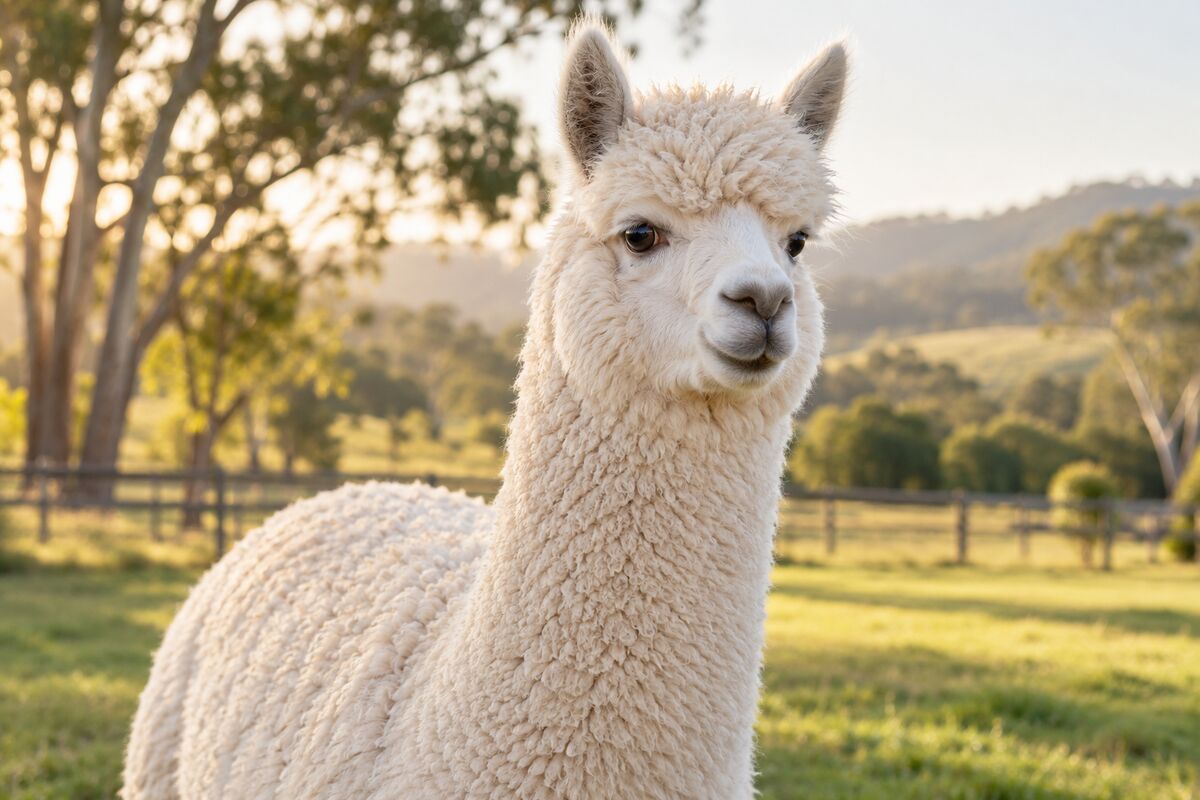
The Ultimate Guide to Baby Alpaca
Baby alpaca is one of the most beautiful natural fibres in the world — loved for its softness, warmth and luxurious feel. It's the fibre behind many of the pieces we make here at Australian Alpaca Barn, from brushed scarves to cosy knitwear.
One of the most common questions our customers ask us in-store is: does baby alpaca come from baby animals?
The answer is no — not necessarily. "Baby alpaca" is a grading term that describes the fineness of the fibre, not the age of the alpaca it came from.
Here's everything you need to know, straight from a family that's been raising and working with alpaca fibre since 1999.
What Is Baby Alpaca?
Baby alpaca is a premium grade of alpaca fibre, graded by how fine the individual fibres are rather than by what type of garment it's used for. It sits among the finest, softest grades alpaca fibre comes in — finer than standard alpaca, which makes it especially lovely worn close to the skin.
Is Baby Alpaca From a Baby Alpaca?
No — this is the one we get asked more than any other. Alpaca fibre is graded by micron count: the diameter of each individual fibre, measured in micrometres. The finest fleeces earn the "baby alpaca" classification, regardless of the animal's age.
That said, there's a reason the name causes confusion. A fibre's diameter tends to increase as an alpaca gets older, with the biggest change happening in the first couple of years of life — so younger alpacas are somewhat more likely to produce fleece fine enough to grade as baby alpaca. But plenty of adult alpacas keep producing beautifully fine fleece well into their teens, which is why the industry grades by fineness rather than birthdate.
At our own farm, Jacamar Alpacas in the Hunter Valley, it's the quality of the fleece at shearing time — not the age of the animal — that decides which fibre earns the baby alpaca name.
Understanding Alpaca Microns

Every alpaca fleece is graded by its average fibre diameter, measured in microns (millionths of a metre). The lower the micron count, the finer and softer the fibre feels — and generally, the less durable it is for hard-wearing items, since finer fibres are also more delicate.
| Grade | Micron Range | Feel & Typical Garments |
|---|---|---|
| Royal Alpaca | Under 19 microns | The rarest and finest commercial grade, exceptionally soft — shawls, wraps, fine scarves and baby garments. |
| Baby Alpaca | 20–22.5 microns | Fine and luxurious, suited to next-to-skin wear without irritation — scarves, jumpers, cardigans, ponchos and capes. |
| Superfine Alpaca | 22.5–25.9 microns | High-quality fleece for standard apparel — everyday knitwear, sweaters, dresses and vests. |
| Fine Alpaca | 26–28 microns | Slightly coarser — gloves, beanies, socks and lightweight outerwear. |
| Medium Alpaca | 28–32 microns | Durable and well-suited to heavy wear — coats, heavier outerwear, blankets and upholstery. |
| Strong / Coarse Alpaca | 32+ microns | Used where durability matters most — rugs, carpets, industrial felting and heavy insulation. |
To put that in context, human hair sits around 75 microns and standard sheep's wool is often around 40 microns — so even our sturdier grades of alpaca are considerably finer than the wool many people find scratchy.
Why Is Baby Alpaca So Soft?
It comes down to that fine micron count. Thinner fibres bend more easily against the skin, which is what creates the soft, almost weightless feel baby alpaca is known for. Alpaca fibre also has a naturally smoother surface structure than many wools, with flatter scales along each strand — which is why it feels less prickly, even at a similar thickness to other fibres.
Is Baby Alpaca Warm?
Yes — wonderfully so. Alpaca fibre contains tiny hollow and semi-hollow pockets that trap warm air close to the body, giving it real insulating power without any of the bulk you'd expect from something this warm. It's also naturally breathable, so it keeps you comfortable through changing temperatures rather than trapping in heat.
Is Alpaca Better Than Wool?
It depends what you're after, but for many people, yes. Wool is warm and hardwearing, but coarser sheep's wool — often sitting around 30–40 microns — is a common source of that itchy, irritating feeling against the skin.
Baby alpaca's finer micron count and smoother fibre structure mean it typically feels gentler against the skin, while still holding its own on warmth. Alpaca is also naturally low in lanolin, which is part of why people who react to wool often find alpaca far more comfortable to wear. If wool has left you feeling itchy in the past, baby alpaca is well worth trying.
Baby Alpaca vs Regular Alpaca
Both come from the same animal, but at different points on the micron scale. Regular alpaca — sitting higher up the micron range — is a great choice for socks, throw rugs and outerwear, where a little extra robustness is welcome. Baby alpaca, being finer, is the one we reach for whenever softness against the skin is the priority: scarves, shawls, jumpers and anything worn close to the neck.
Baby Alpaca vs Cashmere
Cashmere typically runs around 15–19 microns, so it sits close to — and sometimes below — baby alpaca on fineness. The two feel remarkably similar in the hand, but alpaca fibre is generally considered the more durable of the two, holding its shape and softness well over years of wear. If you love the feel of cashmere but want something that lasts a little longer in everyday rotation, baby alpaca is worth a look.
What Products Are Made From Baby Alpaca?
Baby alpaca goes into scarves, wraps, shawls, jumpers, cardigans, ponchos and capes. It's especially popular for scarves, thanks to how it drapes and feels against the neck — and it's exactly why our baby alpaca knitwear remains one of our most-loved categories in store.

How to Care for Baby Alpaca
Baby alpaca deserves gentle care. Air your pieces between wears, and only wash when you really need to. When washing is needed, use cool water and a gentle wool wash, then dry flat away from direct heat — always check the care label on your particular garment first.
Treated well, a baby alpaca piece stays beautiful for years. Many of ours are still going strong well over a decade later.

Why We Love Baby Alpaca
We're a family-owned Australian business, and we've been raising alpacas and working with this remarkable fibre since 1999. Our own herd grazes at Jacamar Alpacas, our farm in the Hunter Valley — so when we talk about baby alpaca, it's not just from a catalogue, it's from paddocks we walk ourselves.
It's perfect for anyone who wants natural warmth without the itch, and a timeless piece they'll reach for winter after winter.
Discover Baby Alpaca
Explore our range of baby alpaca scarves, knitwear, wraps and accessories, and feel the softness of this remarkable fibre for yourself.
Shop All Baby Alpaca → | Visit Us In-Store → | Read More Alpaca Guides →
Want more care tips like these delivered straight to your inbox? Sign up to our newsletter for seasonal alpaca care guides, styling ideas and first access to new arrivals.

