Benefits of Wearing an Alpaca Wool Scarf
An alpaca wool scarf is more than a cold-weather accessory; it is a soft, warm, breathable layer that can make winter wear feel lighter and more comfortable. For anyone frustrated by itchy scarves, bulky knits, or synthetic fabrics that trap heat, alpaca offers a refined alternative with everyday practicality. It also sits comfortably within the conversation around sustainable fashion, especially when chosen from brands that value thoughtful sourcing and long-lasting design.
Why choose an alpaca wool scarf over a regular wool scarf?
An alpaca wool scarf is often chosen because it delivers warmth without the scratchy feel or heavy bulk many people associate with a traditional wool scarf. Alpaca fibres are naturally smooth, insulating, and lightweight, which helps the scarf sit comfortably around the neck while still protecting against cold air. Compared with many standard wool options, an alpaca scarf can feel softer, drape more elegantly, and work across more outfits, from practical winter layers to polished evening looks.
The difference becomes clear during real use. A thick scarf may look cosy on a hanger, but if it feels rough against your skin or becomes too warm indoors, you are less likely to wear it often. Alpaca scarves solve that problem by balancing comfort, warmth, and breathability, making them useful for commuting, travel, gifting, and daily winter styling.

Softness that feels luxurious, not fussy
One of the most loved qualities of alpaca is its soft, silky hand-feel. While texture depends on the grade of fibre and the way the scarf is woven or knitted, alpaca is widely valued for feeling smooth against the skin. Baby alpaca, in particular, is associated with a finer, more luxurious touch, making it a popular choice for luxury scarves designed to be worn close to the face and neck.
Softness matters because scarves touch sensitive areas. A beautiful accessory quickly becomes annoying if it prickles under your chin, catches on dry skin, or makes you want to remove it the moment you step indoors. A well-made alpaca scarf offers a gentler experience, allowing you to enjoy warmth without feeling wrapped in something stiff or abrasive.
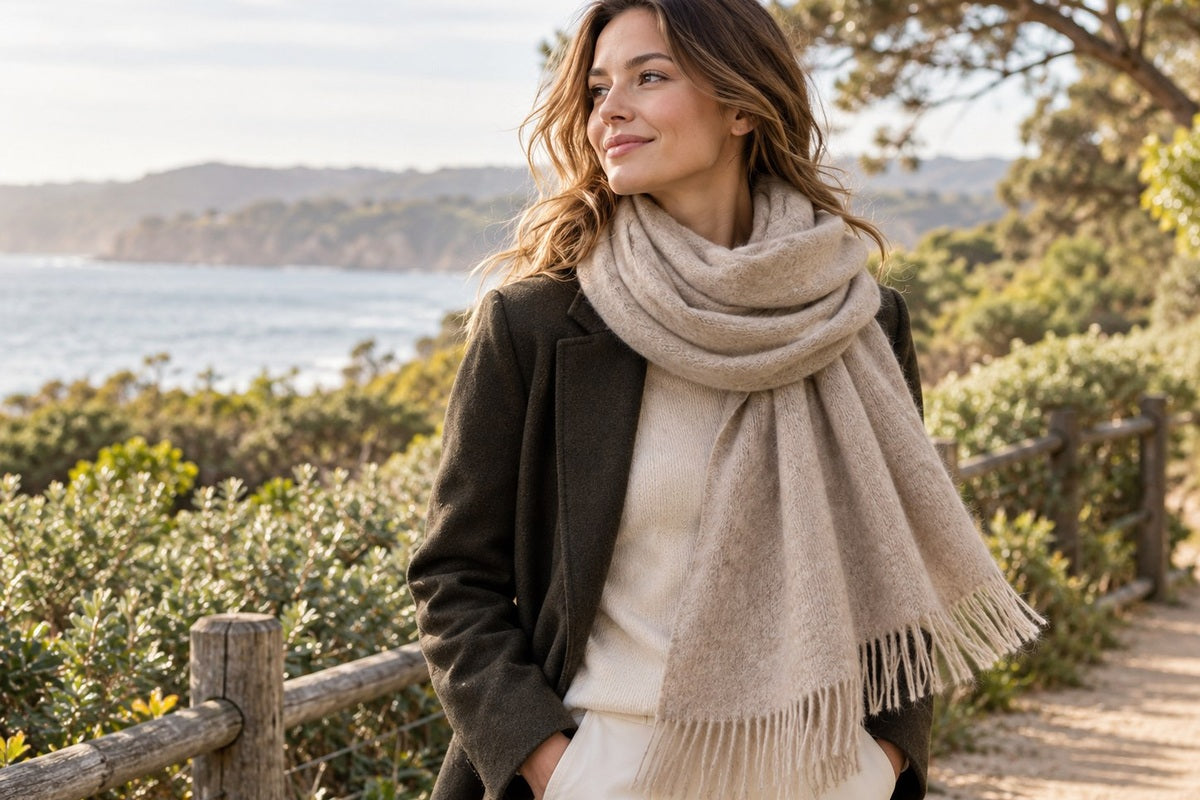
This is especially helpful if you want one scarf that works for both casual and dressier situations. The natural drape of alpaca gives it an elegant look without needing heavy embellishment. It can soften a tailored coat, add texture to a simple sweater, or make a minimal outfit feel more intentional.
Warmth without unnecessary weight
A common misconception about winter accessories is that heavier always means warmer. In practice, insulation depends on how well a fibre traps and manages warmth. Alpaca fibres are known for providing impressive insulation while remaining relatively lightweight, which makes them ideal for scarves that need to keep the neck warm without feeling bulky.
This matters during a normal winter day. You may walk through cold wind, sit on public transport, step into a heated office, and go back outside again within the same hour. A scarf that is too heavy can feel stifling, while a thin synthetic layer may not offer enough protection. Alpaca helps bridge that gap by giving you warmth that feels comfortable rather than oppressive.
For people who dislike oversized winter wear, this is a major benefit. An alpaca wool scarf can tuck neatly into a coat, layer over a blazer, or wrap around the shoulders without adding awkward volume. The result is a warmer outfit that still feels refined and easy to move in.
Is alpaca good for sensitive skin?
Alpaca can be a strong option for sensitive skin because it does not contain lanolin, the waxy substance found in sheep’s wool that can bother some allergy-prone wearers. While no fabric is guaranteed to suit every person, many people who avoid traditional wool find alpaca more comfortable around the neck. Its smoother fibre surface can also reduce the scratchy sensation that makes some wool scarf styles difficult to wear.
If you are buying for yourself, the best approach is to consider both fibre quality and construction. A loosely woven scarf may feel different from a tightly knitted one, and baby alpaca may feel softer than coarser grades. If you are buying an alpaca scarf as a gift for someone with sensitive skin, choose a design described as soft, fine, or suitable for close contact rather than a rustic or textured style.
A few signs of a skin-friendly scarf include:
- A smooth surface: Less roughness means less friction against the neck and jawline.
- Lightweight warmth: Comfort improves when the scarf insulates without pressing heavily against the skin.
- Minimal synthetic blending: Natural fibres often feel more breathable, though some blends are used for structure or durability.
- A flexible weave or knit: A scarf that moves easily is less likely to feel stiff or irritating.
Breathability makes it practical indoors and outdoors
Warmth is only half the story. A good scarf should also help regulate comfort as temperatures change. Alpaca is naturally breathable, which means it can help keep you warm in cold air while reducing the clammy feeling that sometimes happens with less breathable materials.
This is one reason alpaca scarves work well for everyday winter wear. You can wrap one around your neck for a morning walk, loosen it indoors, then rewrap it when the temperature drops again. It feels adaptable rather than overly specialised, which is exactly what most people need from an accessory they plan to wear often.
Breathability also improves layering. If you wear a scarf over knitwear, under a wool coat, or with a down jacket, every layer affects comfort. A breathable alpaca wool scarf adds insulation without turning your outfit into a heat trap.
A sustainable fashion choice when bought thoughtfully
Alpaca has a natural place in sustainable fashion because it is a durable animal fibre that can be made into long-lasting pieces. A scarf that stays beautiful for many seasons is often a better wardrobe choice than several cheaper scarves that pill, stretch, or lose their shape quickly. Longevity is not the only part of sustainability, but it is an important one: buying less and wearing more is a practical way to reduce waste.
Ethical sourcing still matters. Look for brands that are clear about where their alpaca fibres come from, how their products are made, and whether they work with responsible suppliers. Phrases like Huacaya alpaca, baby alpaca, and artisan-made can be useful starting points, but they should be supported by transparent product information rather than vague luxury language.
For shoppers trying to avoid synthetics, alpaca scarves can also be appealing because they offer warmth and softness without relying on plastic-based fibres. The best choice is a scarf you genuinely love, can care for properly, and will continue wearing year after year.
Style versatility from weekday coats to evening layers
An alpaca scarf can be understated or expressive depending on the colour, pattern, and size you choose. Neutral shades such as camel, charcoal, cream, and navy are easy to pair with structured coats and office outfits. Brighter colours, checks, stripes, or reversible designs can add personality to simple winter basics.
The key is to match the scarf to how you actually dress. A long, generous scarf is ideal for wrapping, knotting, or draping over outerwear. A narrower scarf may suit tailored coats, travel outfits, or people who prefer a cleaner silhouette. Textured designs can make a plain coat feel more interesting, while smooth woven styles tend to look more formal.

Try these simple styling ideas:
- The classic wrap: Loop the scarf once around your neck and let the ends fall naturally. This works well for commuting and casual coats.
- The tucked layer: Wrap the scarf close to the neck and tuck the ends inside your coat for maximum warmth with minimal bulk.
- The loose drape: Let the scarf hang open over a blazer or sweater to add colour and texture indoors.
- The shoulder wrap: Use a wider alpaca scarf as a light shawl for travel, dinners, or chilly offices.
- The statement accent: Choose a patterned scarf to lift simple winter wear without changing your whole outfit.
Durability that supports everyday use
Luxury does not have to mean delicate. Alpaca fibres are valued for strength as well as softness, which helps a well-made scarf keep its shape and appearance with proper care. This makes alpaca especially appealing if you want a premium accessory that can handle regular use, not just occasional wear.
Durability depends on construction, though. A tightly woven scarf may resist snagging better than a loose, airy knit. A brushed finish may feel especially soft but might require gentler handling. Before buying, consider whether the scarf is meant for daily commuting, travel, formal styling, or occasional cold-weather wear.
This is also where alpaca compares well with some other luxury scarves. Very delicate fibres can be beautiful but demanding. Alpaca offers a practical middle ground: elegant enough to feel special, but functional enough to become part of your regular cold-weather wardrobe.
How should you care for an alpaca scarf?
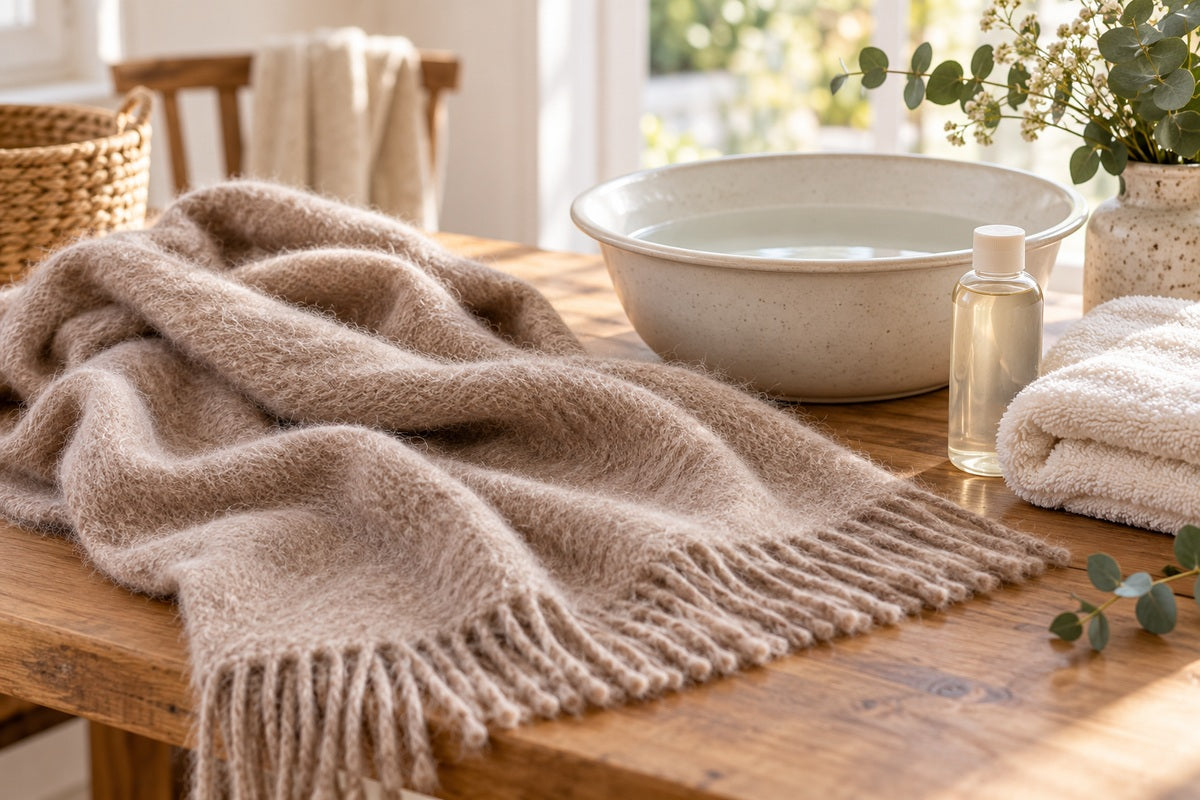
You should care for an alpaca scarf gently: wash it only when needed, use cool water and mild detergent if hand washing is recommended, avoid wringing, and dry it flat away from direct heat. Proper care helps preserve the scarf’s softness, shape, and drape. Always follow the care label first, because construction, dyes, and blends can affect the safest cleaning method.
A simple care routine can make a noticeable difference:
- Air it out between wears to refresh the fibres and reduce the need for frequent washing.
- Spot clean carefully when possible instead of washing the entire scarf after every small mark.
- Hand wash gently if the label allows, using cool water and a detergent suitable for wool or delicate fibres.
- Press out water with a towel rather than twisting or wringing, which can distort the shape.
- Dry flat so the scarf does not stretch while wet.
- Store folded, not hanging, especially for heavier scarves or loose knits.
- Protect from moths by storing clean scarves in a sealed drawer or breathable garment bag with natural repellents if needed.
Avoid treating alpaca like a basic synthetic scarf. High heat, rough washing, and aggressive agitation can damage natural fibres. With a little attention, however, care is straightforward and helps your scarf remain beautiful for many winters.
Choosing the right alpaca scarf for your wardrobe
The best alpaca scarf is the one that fits your climate, style, and comfort preferences. If you live somewhere with harsh winters, look for a larger scarf with enough length to wrap securely. If your winters are milder, a lighter woven style may give you the warmth and elegance you need without feeling excessive.
Think about colour, too. A neutral alpaca wool scarf is easy to wear frequently and makes a safe gift. A bold colour or pattern is better if the scarf is meant to stand out as the focal point of an outfit. If you travel often, choose a versatile size that can double as a wrap on planes, trains, or cool evenings.
Before buying, use this quick checklist:
- Does the scarf feel soft enough for your neck and face?
- Is the weight suitable for your local weather?
- Will the colour work with your coat, knitwear, and shoes?
- Is the product information clear about fibre content?
- Are the care instructions realistic for your lifestyle?
- Does the style feel timeless enough to wear for multiple seasons?
A small accessory with lasting value
An alpaca scarf brings together the qualities people want most from winter accessories: softness, warmth, breathability, durability, and style. It can feel luxurious without being impractical, and it can support a more thoughtful approach to sustainable fashion when chosen with care.
If you are upgrading your winter wear, shopping for a meaningful gift, or replacing a scratchy wool scarf you never reach for, alpaca is worth considering. The right scarf will not just keep you warm; it will make getting dressed in cold weather feel easier, more comfortable, and more polished.
Where to Start
Not sure which alpaca scarf to choose? Here are three beautiful options from our collection.
- For everyday elegance — the Australian-Made Alpaca & Cashmere Scarf. Made in Australia from 90% Australian alpaca and 10% cashmere, this beautifully soft scarf is a timeless choice for everyday wear.
- Prefer something light and luxurious? — the Baby Alpaca & Silk Scarf. Made from 70% baby alpaca and 30% silk, it offers a beautifully lightweight feel, elegant drape and lovely colour options.
- Looking for something a little different? — the 100% Baby Alpaca Motif Scarf. Luxuriously soft and reversible, with a distinctive alpaca design, it's a lovely statement piece or thoughtful gift.
Prefer to explore? Browse our Australian-made alpaca scarves or discover our complete range of alpaca scarves, with beautiful styles, colours and textures to choose from.
Shop the Full Alpaca Scarf Collection →
Discover the Beauty of Alpaca
From natural warmth and breathability to softness and effortless style, there are plenty of reasons to love wearing an alpaca wool scarf.
For our family, alpaca has always been much more than just another fibre. It's something we've worked with, learned about and loved for more than 25 years.
Whether you're buying your very first alpaca scarf or adding another beautiful piece to your collection, we hope you'll discover why we think alpaca is such a special fibre to wear.